Stop trying to predict, instead, prepare
The financial world feels a little strange right now...
If you're within five years of retirement, or already retired, you've probably noticed that the financial world feels a little strange right now.
You’ve worked hard, saved and made plans for retirement.
But how do you make good retirement decisions when you don't know what the economy is going to do next?
That's the challenge.
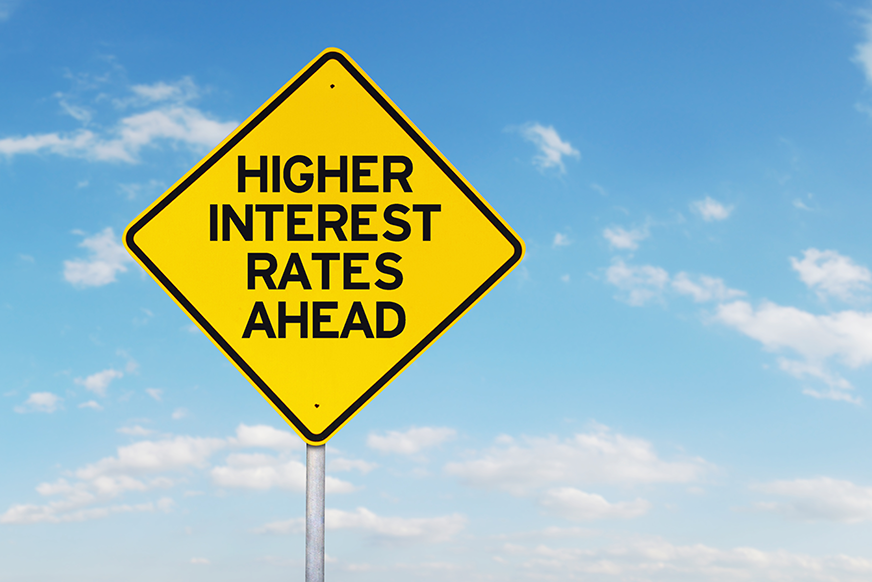
Interest rates remain elevated. That's been good news for many savers, who can earn meaningful interest on cash, CDs and other conservative accounts.
But those same rates can create challenges for families trying to buy homes, relocate or finance major purchases.
Then there's artificial intelligence.
AI has the potential to create extraordinary advances in productivity, medicine, science and other areas. At the same time, companies are investing enormous amounts of money in AI infrastructure, and some are restructuring their workforces as technology changes how work gets done.
And then there's Washington.
The national debt has surpassed $40 trillion, and servicing that debt requires an increasingly significant amount of federal resources.
So where does all of this leave you?
You Don't Have to Predict the Future to Prepare for It
That's where good retirement planning comes in.
Andy and I don't know where interest rates will be five years from now. We don't know exactly how artificial intelligence will change the economy. We don't know what Congress will do with future tax rates.
And we certainly don't know what the stock market will do next.
Fortunately, you don't have to know those things to build a thoughtful retirement plan.
You need a plan that helps you prepare for multiple possibilities.
That's what we're going to help you think through during our upcoming live no cost webinar.
Here's the Plan
On Tuesday, September 15 at 9:30 AM or Thursday, September 17 at 6:00 PM, Andy and I will discuss practical steps you can consider as you prepare for retirement in an uncertain economy.
We'll help you think through questions like:
- How much cash should you keep?
- Cash can provide security and flexibility, but holding more than you need can also create an opportunity cost.
- How should you prepare for inflation?
Your retirement could last 20 or 30 years. Your plan may need to balance today's need for stability with tomorrow's need for purchasing power and growth.
Are you prepared for future tax changes?
No one knows what tax rates will look like 10 or 20 years from now. Having different types of accounts may provide greater flexibility when creating retirement income.
Is your plan flexible enough to adapt?
Markets change. Interest rates change. Technology changes. Tax laws change. Your retirement plan should be able to adjust as your circumstances and the world around you change.
What's possibly at stake?
Without a plan, it's easy to find yourself reacting to every new headline.
- Should I get out of the market?
- Should I keep everything in cash?
- Should I do something because of the national debt?
- What if taxes go up?
- What if there's another recession?
Retirement is too important to make major financial decisions based on fear, headlines or hope.
There's a Better Way
Imagine being able to hear the latest economic news without immediately wondering whether you need to change everything.
Instead, you can look at your retirement plan and know:
- You've thought about your cash needs.
- You've considered inflation and long-term growth.
- You've planned for different tax environments.
- You've considered the risks that could affect your retirement.
And you've built flexibility into your financial life.
Our goal isn't to help you predict what happens next.
It's to help you build a plan that's better prepared for whatever comes next.
Until next week,
David C. Treece,
Financial Planner
Clients Excel Blog