Less Talking, More Leading
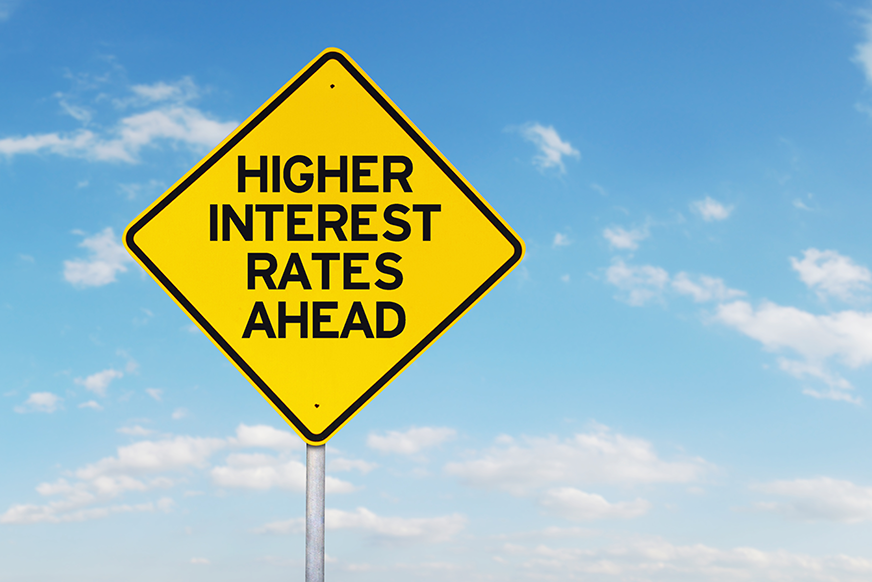
The new Federal Reserve Chairs opinions on forecasting...
A Week in Bavaria and a Lesson in Leadership
Last week was a big week for our family. We traveled farther from home than I've ever been and spent the week in Munich, Germany.
From the ancestry research I've done, much of my family on both sides comes from that area of the world.
It was somewhat surreal to think that if I had been born a few hundred years earlier, I might have lived there. It was also fascinating to see cathedrals that date back to the 1400s and to experience a place so rich in history.
We had the opportunity to tour two of King Ludwig II's palaces in the Alps.
Toward the end of our trip, we took an overnight excursion into Austria and visited Lake Eibsee on the way back, a beautiful alpine lake known for its crystal-clear water and breathtaking scenery.
The girls did remarkably well. We're always surprised by how resilient they are when we travel. We decided not to bring a stroller on this trip since Ansley hasn't used one in quite a while. Mallory kept us on a pretty ambitious schedule all week, and Ansley held her own. She may have even done better than me.
Less Talking, More Leading
While we were overseas, the financial markets were closely watching the Federal Reserve and its newly appointed chairman.
Kevin Warsh, a former Federal Reserve governor during the Global Financial Crisis, has been critical of the constant commentary and forecasting that has become common practice at the Fed over the past several decades.
As First Trust recently noted:
"Warsh doesn't like the intense form of 'forward guidance' that's evolved at the Fed, where it treats the markets and the economy like some sort of young child that is always on the verge of a tantrum and needs to be placated. Instead, Warsh wants the Fed to make it clear that it will pursue its definition of price stability and let the markets focus on the economy rather than constantly trying to predict how the Fed will react."
Traditionally, Federal Reserve governors provide their opinions about where interest rates may be headed after meetings. Investors then analyze those comments, and markets often react accordingly.
At the meeting last week, Warsh chose not to participate in those forecasts.
He believes that publicly projecting future decisions can sometimes box the Fed into a path that may no longer be appropriate if circumstances change.
In other words, leaders should have the flexibility to adapt when new information becomes available.
There may be a lot of wisdom in that approach.
The Danger of Always Having an Opinion
Always having an opinion can be exhausting.
In today's world, it often feels like everyone is expected to have an immediate reaction to every headline, every market move, and every economic development. Yet some of the best decisions come from thoughtful observation rather than constant commentary.
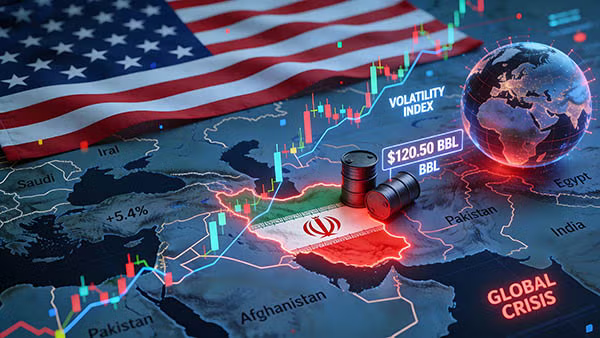
At its recent meeting, the Federal Reserve decided to leave interest rates unchanged as policymakers continue to monitor inflation and the economic impact of rising energy prices related to the conflict in the Middle East.
Whether you agree with the decision or not, there is value in allowing facts to develop before rushing to conclusions.
What It Means for Investors
My hope is that a more measured approach from policymakers ultimately contributes to a more stable investing environment.
When decision-makers constantly communicate every possible future action, markets often react to the commentary rather than the underlying fundamentals.
In my observation, that can contribute to unnecessary volatility.
Perhaps with less speculation and less focus on predicting the next move from the Federal Reserve, investors can spend more time focusing on what truly matters: building and maintaining a sound long-term strategy.
That's certainly our hope.
If you're feeling uncertain about your investment strategy or simply want to talk through recent events, we're here to help.
Until next week,
David C. Treece,
Financial Planner
864.641.7955
Clients Excel Blog